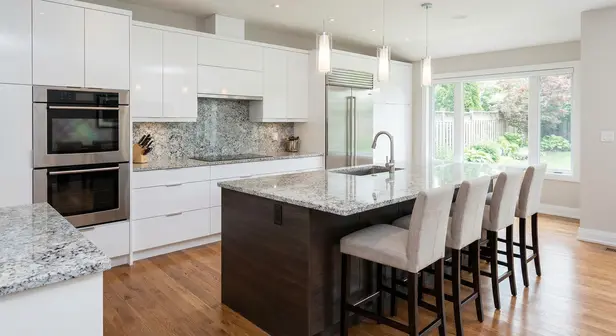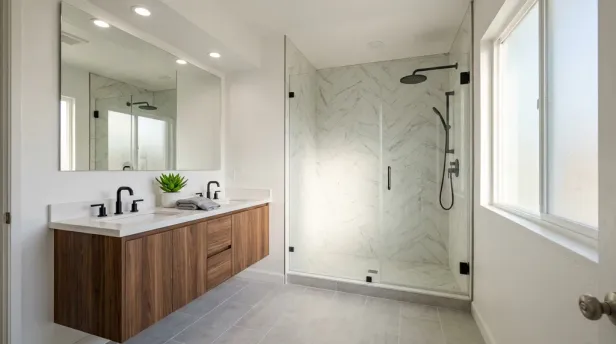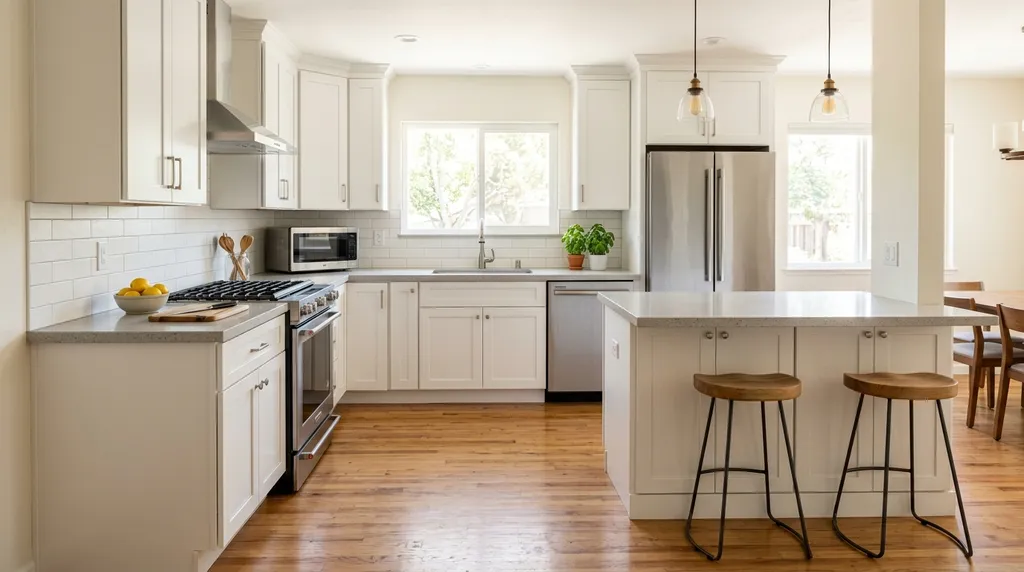
You have been staring at those 1990s oak cabinets for long enough. The laminate countertops are chipped, the layout makes no sense, and the dishwasher sounds like a freight train. You want a new kitchen, but the first question is always the same: how much does a kitchen remodel cost?
If you live in the Bay Area, the answer is higher than the national average. Labor is expensive here, permits take longer, and material costs reflect the regional market. But a kitchen remodel does not have to mean $100,000 and six months of eating takeout. This guide gives you real numbers for three budget levels so you can plan with confidence.
How Much Does a Kitchen Remodel Cost in the Bay Area?
Kitchen remodel costs in the Bay Area depend on three factors: the scope of work, the materials you choose, and whether you change the layout. Here is what each tier looks like with realistic 2026 pricing.
| Tier | Cost Range | What You Get | Timeline |
|---|---|---|---|
| Budget | $15,000 - $30,000 | Cabinet refacing, new countertops, updated fixtures, fresh paint, new hardware | 2 - 4 weeks |
| Mid-Range | $30,000 - $50,000 | New cabinets, stone countertops, new appliances, flooring, updated lighting and backsplash | 4 - 8 weeks |
| High-End | $50,000 - $75,000+ | Custom cabinets, full layout change, high-end appliances, premium finishes, structural modifications | 8 - 12+ weeks |
These ranges reflect what Bay Area homeowners actually pay in 2026. The national average for a mid-range kitchen remodel is around $30,000 to $35,000 according to HomeAdvisor and Angi data, but Bay Area labor rates push costs 30 to 40% higher than that baseline.
For a deeper look at planning your project, read our kitchen remodeling planning guide.
What Drives the Cost of a Kitchen Remodel?
Understanding where your money goes helps you make smarter decisions about where to spend and where to save. Here are the four biggest cost drivers.
Cabinets: 30 to 40% of Your Budget
Cabinets are the single largest line item in any kitchen remodel. They set the tone for the entire room and account for roughly one-third of the total project cost.
- Stock cabinets: $3,000 to $8,000 for an average kitchen. Available off the shelf in standard sizes. Limited color and configuration options, but they install fast and keep costs down.
- Semi-custom cabinets: $8,000 to $18,000. Manufactured to order with more size options, finishes, and interior configurations. The sweet spot for most mid-range remodels.
- Custom cabinets: $18,000 to $35,000+. Built to your exact specifications by a cabinet maker. Any size, any finish, any configuration. Lead times run 6 to 10 weeks.
A cost-saving alternative: cabinet refacing. This means replacing the doors and drawer fronts while keeping the existing cabinet boxes. Refacing costs $4,000 to $10,000 for an average kitchen and delivers a dramatic visual change at roughly half the cost of new cabinets.
Countertops: $2,000 to $15,000
Countertop costs vary wildly based on material. Here is how the most popular options compare for a typical 30 to 40 square foot countertop area.
- Laminate: $800 to $2,000. Durable and budget-friendly. Modern laminates look far better than what you remember from the 1990s.
- Butcher block: $1,500 to $3,500. Warm, natural look. Requires periodic oiling and is not ideal near sinks.
- Quartz: $3,000 to $7,000. Engineered stone that resists stains and scratches. No sealing required. The most popular mid-range choice in Bay Area kitchens.
- Granite: $3,500 to $8,000. Natural stone with unique patterning. Requires annual sealing but lasts decades.
- Marble: $5,000 to $15,000. Beautiful but porous, stains easily, and requires regular maintenance. Best reserved for low-use areas or homeowners committed to upkeep.
Appliances: $3,000 to $20,000+
Appliance packages range from basic to professional grade. The differences in cost are significant.
- Builder-grade: $3,000 to $5,000 for a full set (refrigerator, range, dishwasher, microwave). Functional and reliable. Brands like Whirlpool and GE fit this tier.
- Mid-range: $5,000 to $10,000. Better performance, quieter operation, more features. Bosch, KitchenAid, and Samsung are popular choices.
- Professional-grade: $10,000 to $20,000+. Commercial-style ranges, built-in refrigerators, panel-ready dishwashers. Brands like Sub-Zero, Wolf, and Thermador. These appliances often require dedicated electrical circuits or upgraded gas lines, adding to installation costs.
Layout Changes: The Biggest Cost Jump
Moving plumbing, gas lines, or electrical changes the entire cost equation. Relocating a sink means moving supply lines and drain connections. Moving a gas range means running new gas pipe. Both require permits and inspections in every Bay Area city.
Budget $3,000 to $8,000 for plumbing relocation alone. Gas line work adds another $1,500 to $4,000. Electrical rewiring for a new layout runs $2,000 to $5,000. This is why keeping your existing layout is the single most effective way to control kitchen remodel costs.
Bay Area vs. National Kitchen Remodel Pricing
If you have ever compared your contractor quotes to the national averages on home improvement websites, the gap probably shocked you. There are real reasons Bay Area kitchen remodels cost more.
Labor rates. Skilled tradespeople in the Bay Area charge $65 to $100 per hour depending on the trade and experience level. The national average runs $40 to $65 per hour. Labor typically accounts for 30 to 35% of a kitchen remodel, so this premium adds up fast on a project with hundreds of labor hours.
Permit costs. Permit fees in Alameda County range from $500 to $2,000 for a kitchen remodel depending on the scope and valuation. Some cities also require plan check fees and multiple inspections, each with their own costs. Factor in 2 to 4 weeks for permit processing before work can begin.
Material and delivery costs. The Bay Area's distance from major manufacturing centers and high commercial rents mean material prices are 10 to 20% above national averages. Custom and specialty items often have longer lead times due to limited local stock.
Housing age. Many Bay Area homes, particularly in Hayward, Oakland, and the older parts of Fremont, were built in the 1950s through 1970s. These kitchens often have outdated wiring, galvanized pipes, and non-standard layouts that add prep work before the actual remodel can begin.
Kitchen Remodel Timeline: How Long Will It Take?
The timeline depends on scope, and every scope has its own set of potential delays. Here is a realistic breakdown.
- Budget remodel (2 to 4 weeks): Cabinet refacing, countertop replacement, new fixtures. No permits needed for most cosmetic work. You can use the kitchen for part of the project.
- Mid-range remodel (4 to 8 weeks): Full cabinet replacement, new countertops, appliance upgrades, flooring, and backsplash. Expect the kitchen to be completely unusable for 3 to 6 weeks. Set up a temporary cooking area with a microwave and a folding table.
- High-end remodel (8 to 12+ weeks): Custom cabinets, layout changes, structural work, high-end finishes. Custom cabinet lead times alone can add 6 to 10 weeks before installation begins.
Common Delays
The most frequent schedule killers in Bay Area kitchen remodels:
- Permit processing: 2 to 4 weeks in most Alameda County cities. Hayward and Fremont have been running on the longer end recently.
- Custom cabinet lead times: 6 to 10 weeks from order to delivery. Semi-custom runs 3 to 5 weeks.
- Inspection scheduling: Plumbing and electrical rough-in inspections must happen before walls close up. Scheduling gaps can add days.
- Backordered appliances: Popular models from Bosch, KitchenAid, and other mid-range brands occasionally run 4 to 8 weeks behind.
The best way to stay on schedule: order all materials and appliances before demo day. Nothing stalls a project like waiting for a countertop template while the rest of the kitchen sits empty.
Do You Need a Permit for a Kitchen Remodel?
In most Bay Area cities, the answer depends on what you are changing.
You need a permit for:
- Any plumbing work (moving or adding supply lines, drains, or gas connections)
- Electrical work (new circuits, panel upgrades, moving outlets or switches)
- Structural changes (removing walls, enlarging openings, adding support beams)
- Gas line modifications (moving a gas range or adding a gas cooktop)
You do not need a permit for:
- Painting and cosmetic updates
- Replacing hardware, faucets on existing connections, or light fixtures on existing circuits
- Cabinet refacing or replacement (if no plumbing or electrical moves)
- Countertop replacement (same footprint, no sink relocation)
- Flooring replacement (no subfloor structural work)
Skipping required permits is risky. Unpermitted work can create problems when you sell your home, void insurance claims, and result in fines. It is not worth it.
For Alameda County permit information, visit the Alameda County building permits page. If you live in a city with its own building department (Hayward, Fremont, Oakland, San Jose), check with your city directly.
Cost-Saving Tips That Do Not Sacrifice Quality
You do not have to gut your kitchen and start from scratch to get a kitchen that looks and works like new. These strategies save real money without cutting corners.
Reface instead of replace cabinets. If your cabinet boxes are solid and the layout works, refacing saves $5,000 to $15,000 compared to full replacement. New doors, drawer fronts, and hardware transform the look for roughly half the cost.
Keep the existing layout. Every time you move a sink, range, or refrigerator, you are moving plumbing, gas, or electrical. Keeping everything in place eliminates $5,000 to $15,000 in relocation costs and avoids permit delays.
Choose quartz over marble. Quartz costs 30 to 50% less than marble, requires zero sealing, resists stains, and looks great for decades. Unless you have a specific aesthetic reason for marble, quartz is the smarter investment.
Phase the project. You do not have to do everything at once. Replace countertops and refinish cabinets this year. Upgrade appliances next year. New flooring the year after that. Phasing spreads the cost and lets you live through each stage without losing your kitchen for months.
Hire a handyman who handles multiple trades. General contractors often subcontract plumbing, electrical, tile, and painting to separate companies. Each subcontractor adds their own markup. A multi-trade handyman handles it all with one crew, cutting overhead and simplifying communication.
Shop appliance sales. Memorial Day, Labor Day, and Black Friday are the three biggest appliance sale events of the year. Buying during these windows can save 20 to 40% on mid-range and high-end packages.
Kitchen Remodeling Across the Bay Area
Kitchen remodel costs and considerations vary by city depending on housing stock, local permit processes, and neighborhood expectations. Here is what we see across the areas we serve.
Hayward: Hayward has a large stock of homes built in the 1950s through 1970s, many with original kitchens that are overdue for an update. Smaller kitchen footprints are common, so smart layout decisions matter. The good news: mid-range remodels in Hayward deliver strong ROI because home values have been climbing steadily, and updated kitchens stand out to buyers.
Fremont: Fremont ranges from newer construction in Warm Springs to older homes in Niles and Centerville. Kitchen remodel costs reflect that range. Newer homes need less behind-the-wall work, while older homes may need electrical or plumbing updates before the cosmetic work begins. See our Fremont remodeling guide for more on working with different Fremont neighborhoods.
Union City: Union City has a growing demand for kitchen remodels as the housing market heats up. Most homes fall into the mid-range remodel category, with owners replacing 20 to 30-year-old kitchens with modern finishes. Competition for contractors in Union City is lower than in Fremont or San Jose, which can work in your favor for scheduling.
San Lorenzo: San Lorenzo's compact ranch-style homes often have smaller kitchens where every inch counts. Smart storage solutions, galley-style layouts, and space-saving fixtures make a big difference. Budget and mid-range remodels are the most common here, and the results punch above their weight because the improvements are so visible in a smaller space.
No matter where you are in the East Bay, a kitchen remodel is one of the best investments you can make in your home. See our full remodeling services page, and read about home improvements that increase value to prioritize your projects.
Frequently Asked Questions
How much does a kitchen remodel cost in the Bay Area?
Budget kitchen remodels run $15,000 to $30,000 and include cabinet refacing, new countertops, and updated fixtures. Mid-range remodels cost $30,000 to $50,000 for new cabinets, stone countertops, new appliances, and flooring. High-end remodels start at $50,000 and go to $75,000 or more for custom cabinets, layout changes, and professional-grade appliances. Bay Area labor rates are 30 to 40% higher than national averages, which is the primary driver of the price gap.
How long does a kitchen remodel take?
Budget remodels take 2 to 4 weeks. Mid-range remodels take 4 to 8 weeks. High-end remodels with layout changes and custom cabinets take 8 to 12 weeks or longer. The most common delays are permit processing (2 to 4 weeks in Alameda County), custom cabinet lead times (6 to 10 weeks), and inspection scheduling. Order materials before demolition begins to keep the project on track.
Can a handyman remodel a kitchen?
Yes, a licensed handyman with multi-trade experience can handle most kitchen remodels. Handy Johnny does cabinet installation, countertop fitting, plumbing, electrical, tile, painting, and finish carpentry in-house. That means one point of contact, no subcontractor markups, and a single crew that takes ownership of the project from start to finish. For structural engineering or major gas line work, we coordinate with licensed specialists.
What is the most expensive part of a kitchen remodel?
Cabinets. They account for 30 to 40% of the total budget. On a $40,000 mid-range remodel, you will spend $12,000 to $16,000 on cabinets. The next largest expenses are labor (30 to 35% of total), countertops (10 to 15%), and appliances (10 to 15%). Layout changes that require plumbing or gas relocation add significant cost on top of these baseline numbers.
Is a kitchen remodel worth it for resale?
Kitchen remodels typically recover 50 to 70% of their cost at resale. Mid-range remodels offer the best return because every home has a resale ceiling based on neighborhood comparables. Over-improving for your area means spending money you will not recoup. Beyond resale value, a remodeled kitchen improves your daily quality of life, which is harder to put a number on but very real. If you plan to stay in your home for 5+ years, the daily enjoyment alone justifies the investment.
Get a Free Kitchen Remodel Estimate
Handy Johnny has been remodeling kitchens across the Bay Area for over 20 years. We serve Hayward, Fremont, Union City, San Lorenzo, Castro Valley, and surrounding East Bay communities. Every trade handled in-house. Upfront pricing before work begins. No subcontractor markups.
Call (510) 688-5963 for a free kitchen remodel estimate, or fill out our contact form to schedule a walkthrough. We will visit your home, measure the space, discuss your goals and budget, and give you a detailed quote with no pressure.
See our full remodeling services page for more project details and before-and-after examples.
💡 Need Help Implementing This?
Our Remodeling experts can help you put this advice into practice. Get a free estimate from Handy Johnny today.